Vipassana Meditation for Beginners: A Guide to Silent Retreats
For those seeking a profound path to self-discovery and inner peace, Vipassana meditation offers a direct route. Originating in ancient India, this practice, meaning 'to see things as they really are,' is not a ritual or a philosophy, but a technique of self-observation that aims to eradicate mental impurities and cultivate insight. While its roots are ancient, its application is timeless, offering tangible benefits for modern life. This guide is specifically designed for beginners, demystifying Vipassana and preparing you for what to expect during your first silent retreat experience, particularly within the serene settings available in and around Valencia.
Understanding the Core Principles of Vipassana
Vipassana is taught through a non-sectarian approach, accessible to people of all backgrounds and beliefs. At its heart are three fundamental principles: Sīla (morality), Samādhi (concentration), and Paññā (wisdom or insight). A retreat typically begins by establishing a foundation of Sīla, which involves abstaining from actions that harm oneself or others. This usually translates into five precepts: abstaining from killing, stealing, sexual misconduct, false speech, and intoxicants. This ethical framework creates a stable and peaceful environment conducive to deeper meditation.
Once a foundation of ethical conduct is established, the practice moves to developing Samādhi, or concentration. This is primarily achieved through Anapana meditation, which involves observing the natural, normal breath as it enters and leaves the nostrils. This seemingly simple practice trains the mind to become focused and aware, laying the groundwork for the more subtle observations of Vipassana. The breath serves as a neutral anchor, helping to quiet the incessant chatter of the mind and bring it into the present moment.
Finally, with a sharpened and concentrated mind, one moves into Paññā – the insight itself. This is where the actual Vipassana technique begins. Practitioners are guided to systematically observe sensations throughout the body, noticing their arising, passing, and changing nature. The key is to observe these sensations without reacting to them with craving or aversion, but rather with equanimity. Through this sustained, non-judgmental observation, one begins to understand the impermanent (anicca), unsatisfactory (dukkha), and soulless (anattā) nature of all phenomena, leading to a profound shift in perspective and a gradual purification of the mind.
The Silent Retreat Experience: What to Expect
A Vipassana retreat is an intensive process, typically lasting ten days for beginners, conducted in complete silence. This silence is a crucial component, as it minimises external distractions and allows the mind to turn inward. Participants commit to meditating for many hours each day, with breaks for meals and short periods of rest. The schedule is structured and disciplined, designed to facilitate deep practice.
Days usually begin early, often before dawn, and continue until late in the evening. The meditation sessions alternate between sitting (observing the breath and bodily sensations) and walking meditation (cultivating mindfulness while moving). There are also daily discourses by the teacher, usually in the evening, which explain the theory behind the practice and address common experiences or challenges. These discourses are essential for understanding the 'why' behind the 'what' of the practice.
Meals are simple, vegetarian, and served at specific times. The focus is on nourishing the body efficiently without creating sensory distractions. Participants are generally discouraged from bringing reading materials, phones, or any form of entertainment. The environment is designed to be as free from external stimuli as possible, allowing for total immersion in the inner experience.
Navigating the Challenges and Embracing the Rewards
For beginners, a Vipassana retreat can present various challenges. The intense schedule, prolonged periods of sitting, and the absence of external distractions can bring forth a range of physical discomforts, mental restlessness, and emotional turbulence. It's not uncommon for old memories, unresolved emotions, or strong aversions to the process itself to surface. The key is to meet these experiences with the same principle of equanimous observation – noticing them without judgment or reaction, understanding that they too are impermanent.
The practice teaches resilience and patience. You learn to sit with discomfort, both physical and mental, and observe its changing nature. This process, while sometimes arduous, is profoundly liberating. Many participants report experiencing deep calm, clarity, and a significant reduction in stress and anxiety. The insights gained can lead to a more balanced and compassionate approach to life's challenges long after the retreat concludes.
To prepare for a retreat, it's advisable to ensure you are in a stable mental and physical state. While Vipassana can be therapeutic, it is not a substitute for medical or psychological treatment. An open mind, a willingness to follow instructions, and a commitment to the ten-day process are the most important prerequisites. Exploring options for a spiritual retreat in Valencia can provide a supportive environment for this transformative journey.
Tips for Your First Vipassana Retreat
If you're considering your first Vipassana retreat, a little preparation can go a long way. Firstly, ensure you understand the commitment involved. Ten days of silence and intensive meditation is a significant undertaking. Read testimonials and information from reputable Vipassana organisations to set realistic expectations. Secondly, pack comfortable, loose-fitting clothing suitable for sitting for extended periods. Layers are often recommended as temperatures can fluctuate. Avoid anything restrictive or distracting.
Thirdly, be prepared for a minimalist environment. While accommodation is usually clean and functional, it is not luxurious. The focus is entirely on the practice. Fourthly, be kind to yourself. There will be moments of doubt, frustration, and perhaps even boredom. These are all part of the process. Remind yourself of your intention and gently return your attention to the breath or bodily sensations as instructed.
Finally, embrace the silence. It might feel strange at first, but it is a powerful tool for self-discovery. Without external conversations, your internal landscape becomes clearer, allowing you to observe the workings of your own mind with unprecedented clarity. Many find the silence to be one of the most profound and beneficial aspects of the retreat. For those interested in exploring different forms of meditation and self-development, our guide to retiro espiritual Valencia offers a broader perspective on local opportunities.
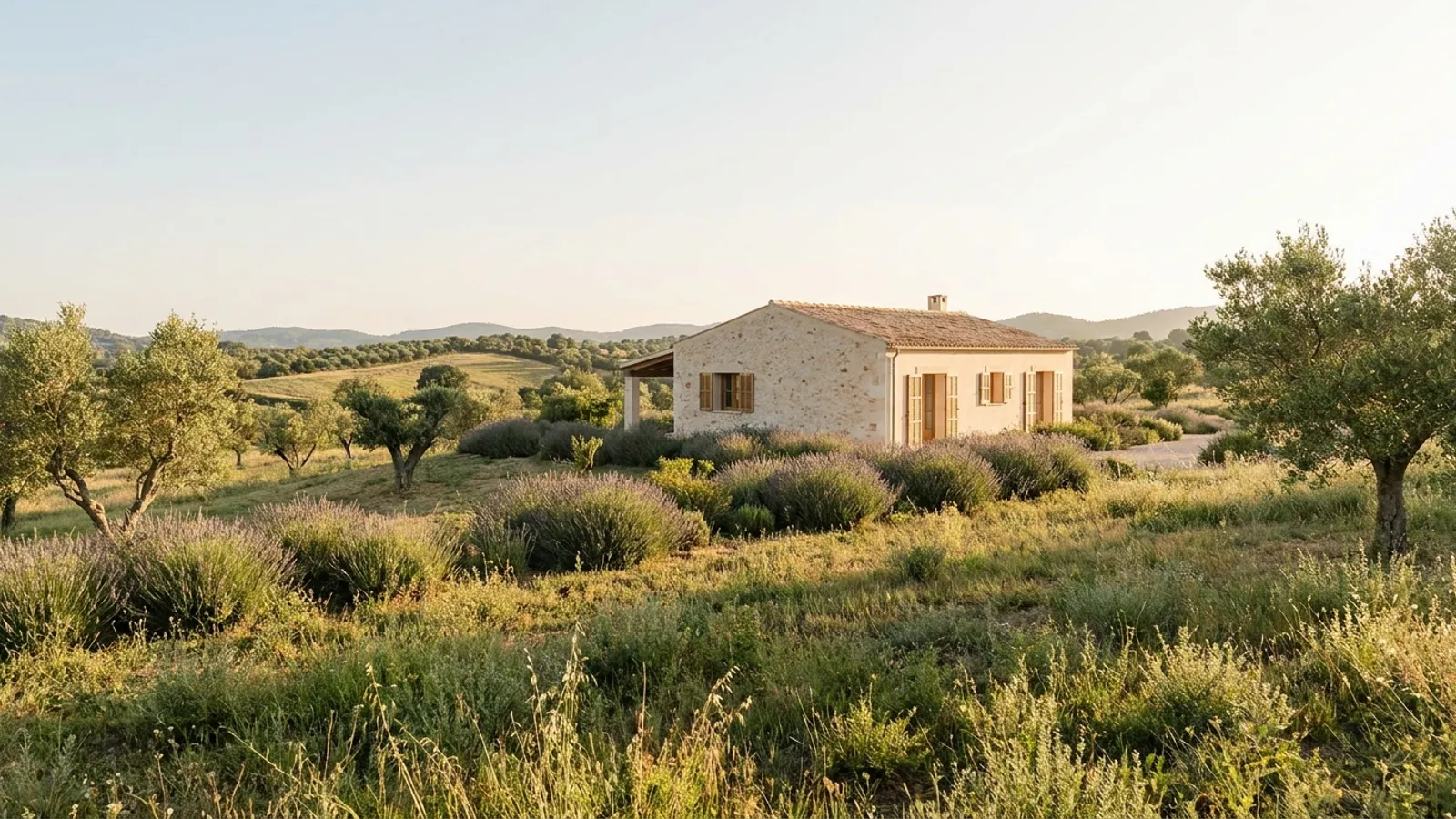
The featured retreat
For those ready to embark on this journey, various centres offer Vipassana courses based on the tradition of S.N. Goenka. These courses are typically offered free of charge, supported by donations from previous students who have experienced the benefits. Information on locations and application procedures can usually be found on dedicated Vipassana websites. Check our homepage for specific recommendations and details on upcoming retreats in the Valencia region.